
ABOUT US
STORY
Our Ocean.
Our Responsibility.
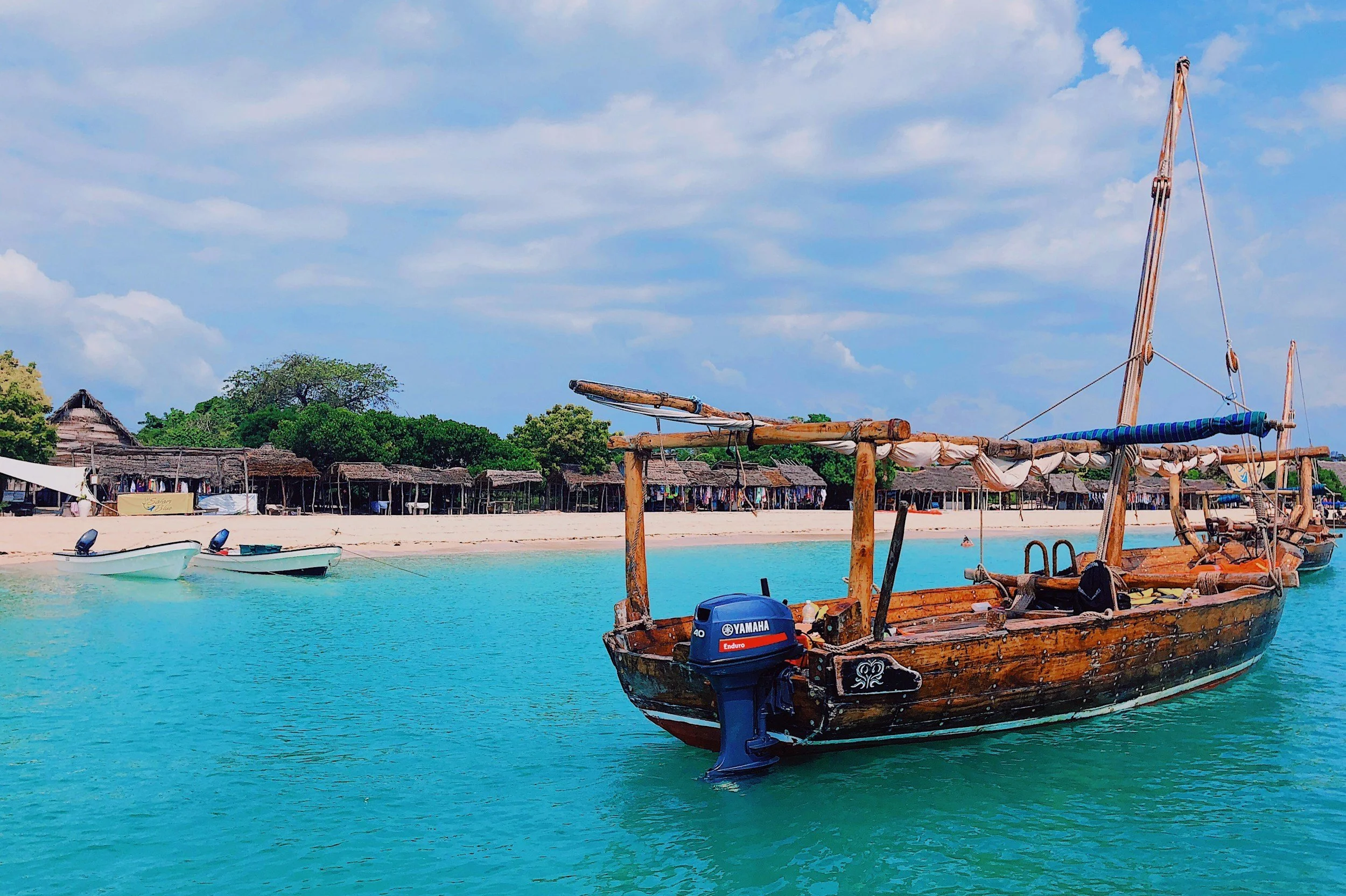
Bahari Yetu means “Our Ocean” in Swahili. Founded in 2023, our work began in Zanzibar with a simple belief: protecting the ocean starts with understanding it and involving the people who depend on it.
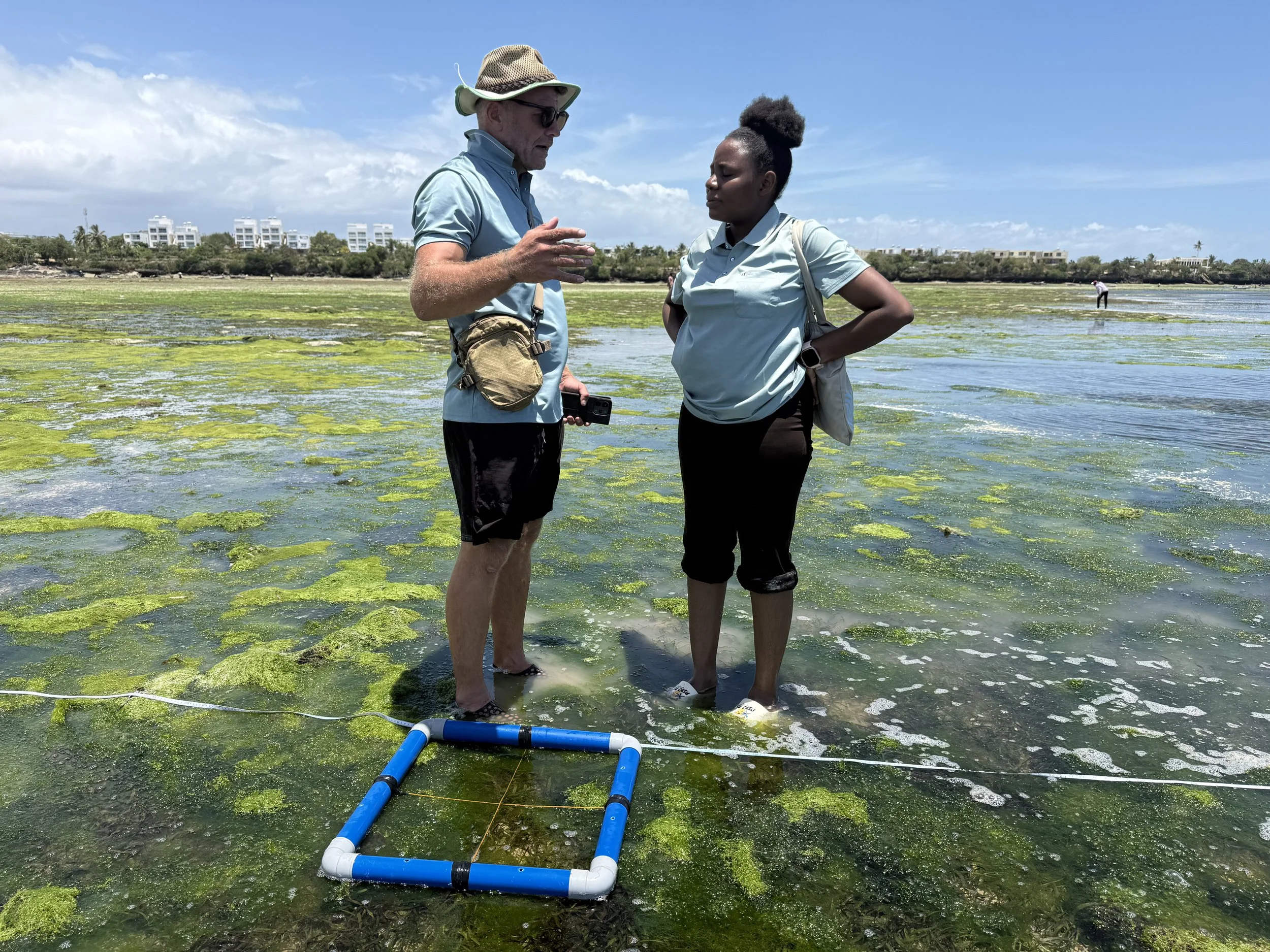
What began as local marine conservation work has grown into a registered foundation in Zanzibar, developing practical programmes in seagrass, mangrove and coral reef monitoring, marine biodiversity research and community engagement.
We combine field science, technology and local knowledge to understand changing marine ecosystems and develop practical solutions for their protection.
From teaching children to swim and understand the ocean, to working with fishing communities and developing new approaches to marine conservation finance, our focus remains on measurable action and lasting local benefits.
Rooted in Zanzibar, our ambition now extends across East Africa — connecting island communities, researchers and conservation initiatives to protect the marine environments we all depend on.
🌊
Our Mission
01.
Swim
Building water confidence and safety among Zanzibar's children.
02.
Learn
Creating awareness and understanding of marine ecosystems.
03.
Protect
Enabling local communities to preserve their own marine ecosystems.
WHY WE EXIST
Creating The Next Generation Of Ocean Stewards
Conservation is strongest when communities are connected to the environments they depend on.
By combining education, research, and local participation, Bahari Yetu works to create lasting relationships between people and the ocean.
Local Communities At The Centre
COMMUNITY APPROACH
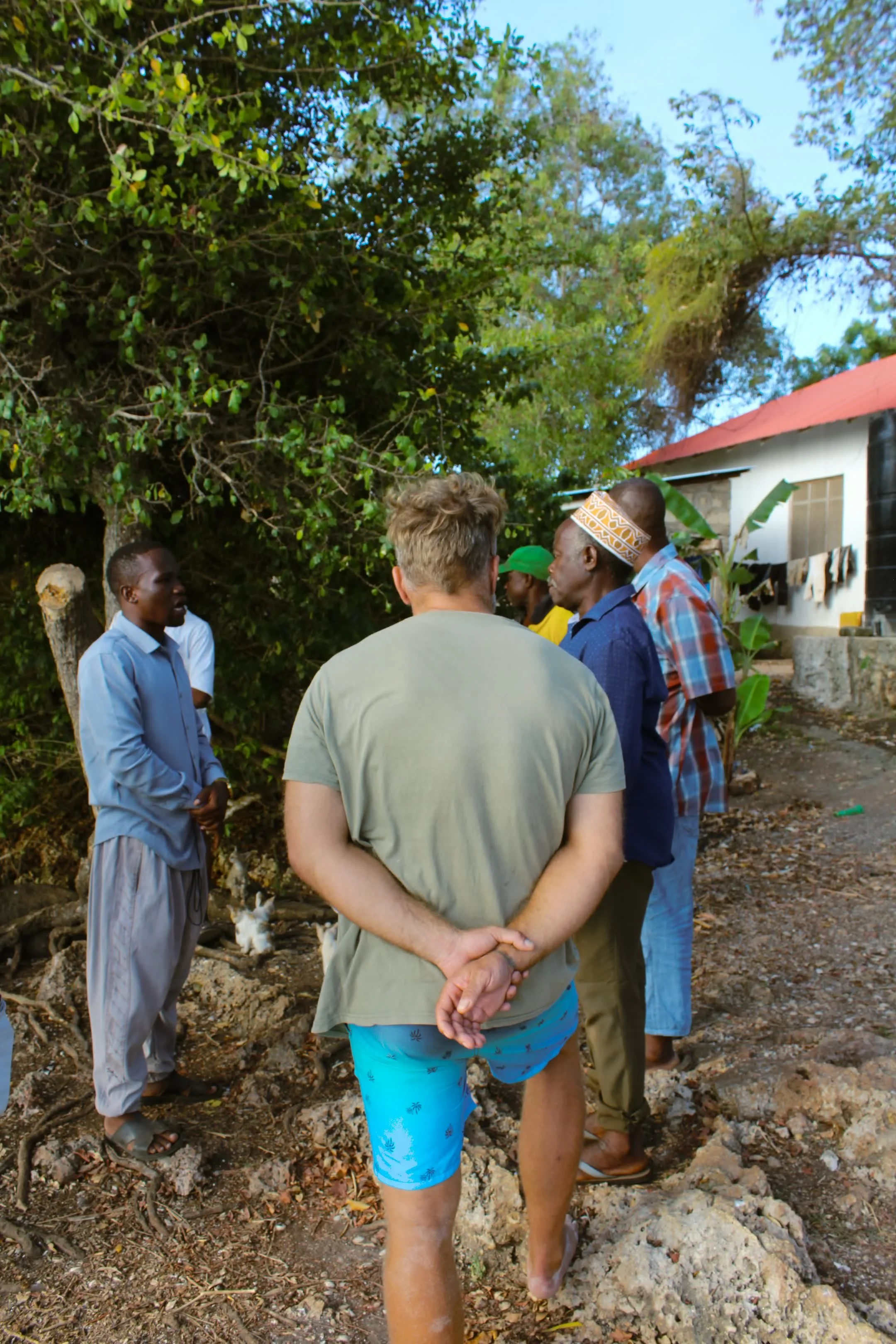
Communities are involved in defining monitoring priorities, participating in data collection, and contributing to decisions about the future of their marine environment.
Local Participation
Shared Knowledge
Long-Term Stewardship
STATUS & PROGRESS
Where We Are Today
Weekly Swimming Classes
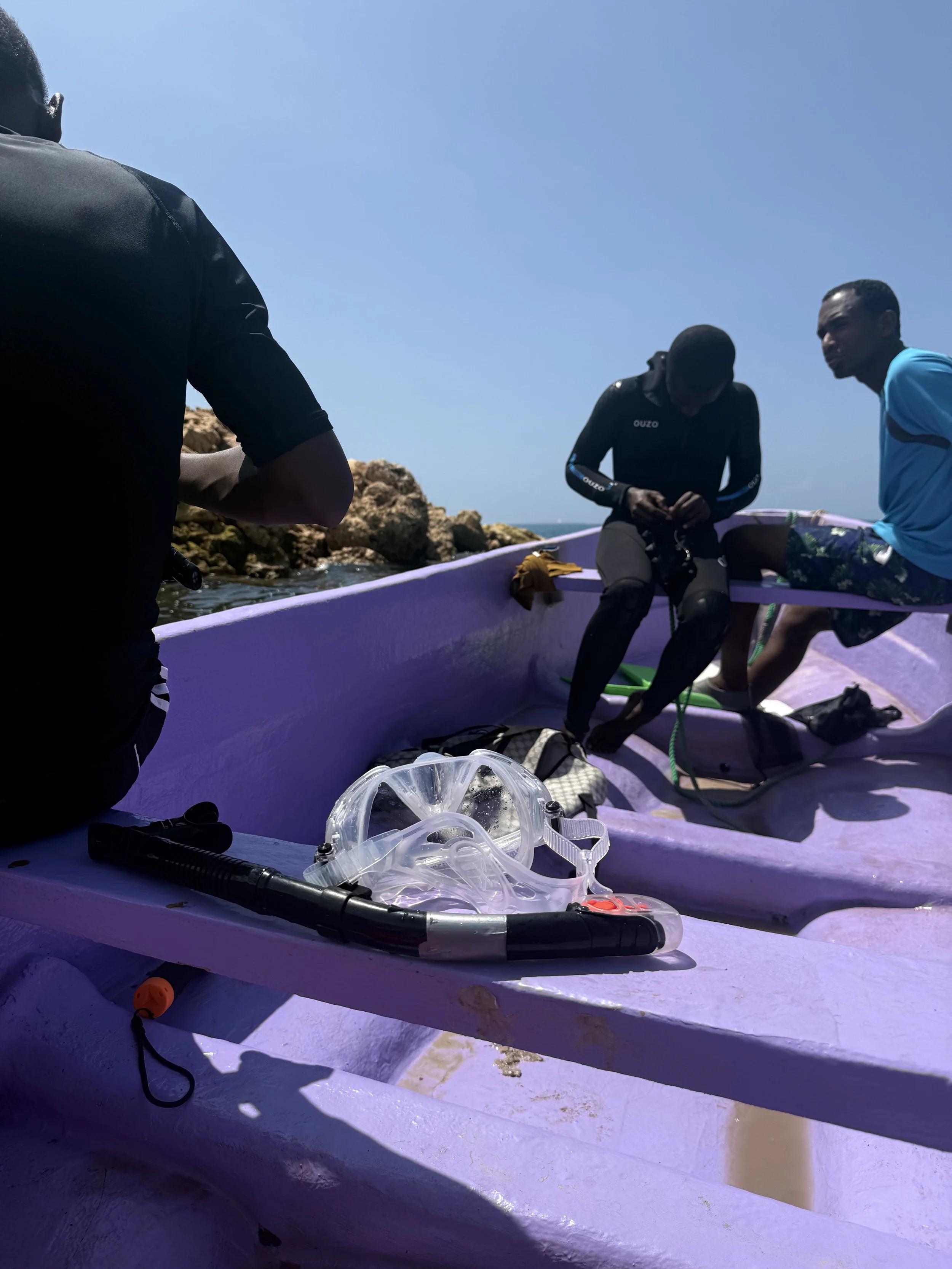
Weekly swimming classes are currently running, helping children build water confidence and safety skills.
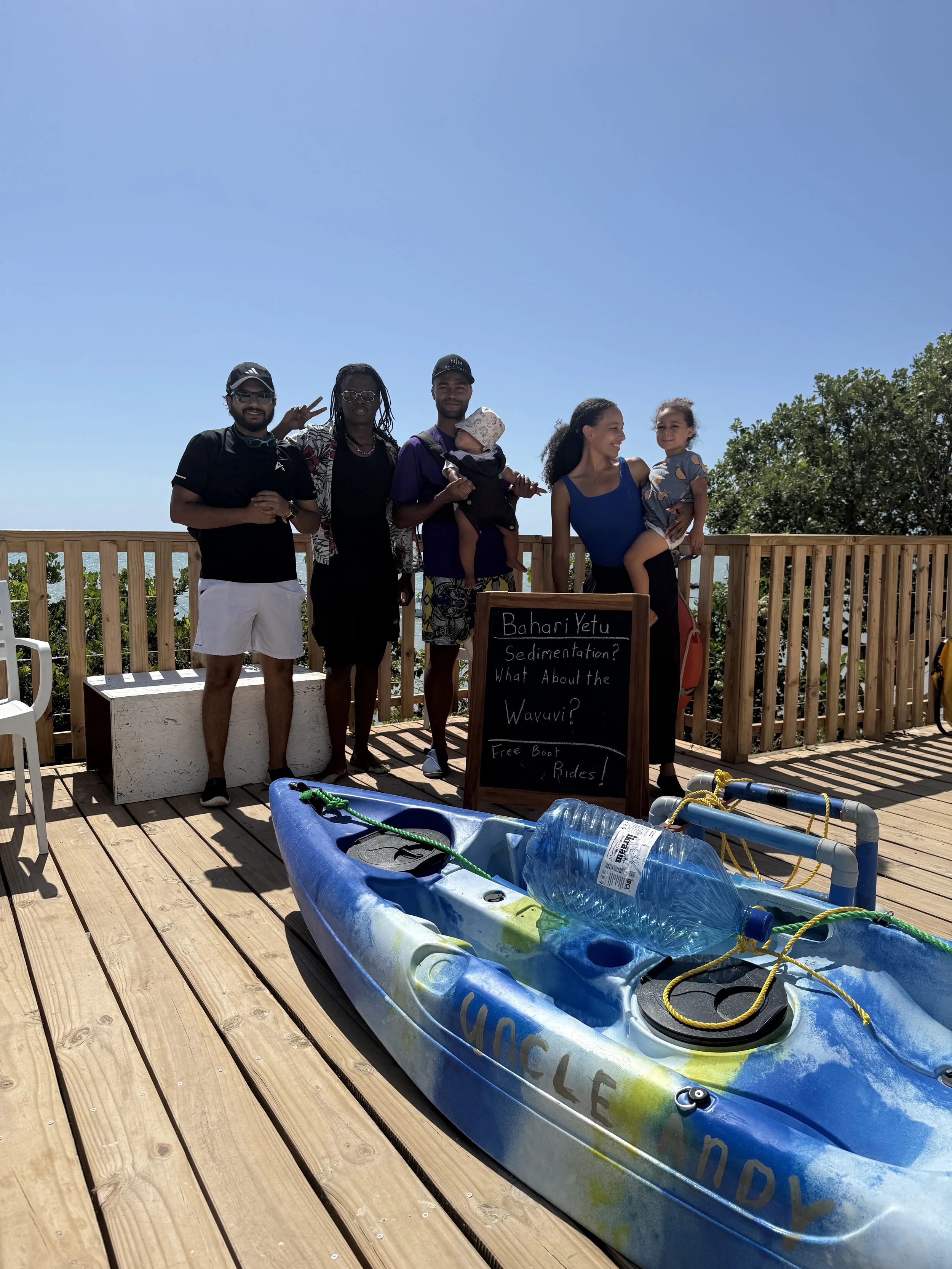
Field Observations
Field observations are ongoing to better understand marine environments and ecosystem changes.
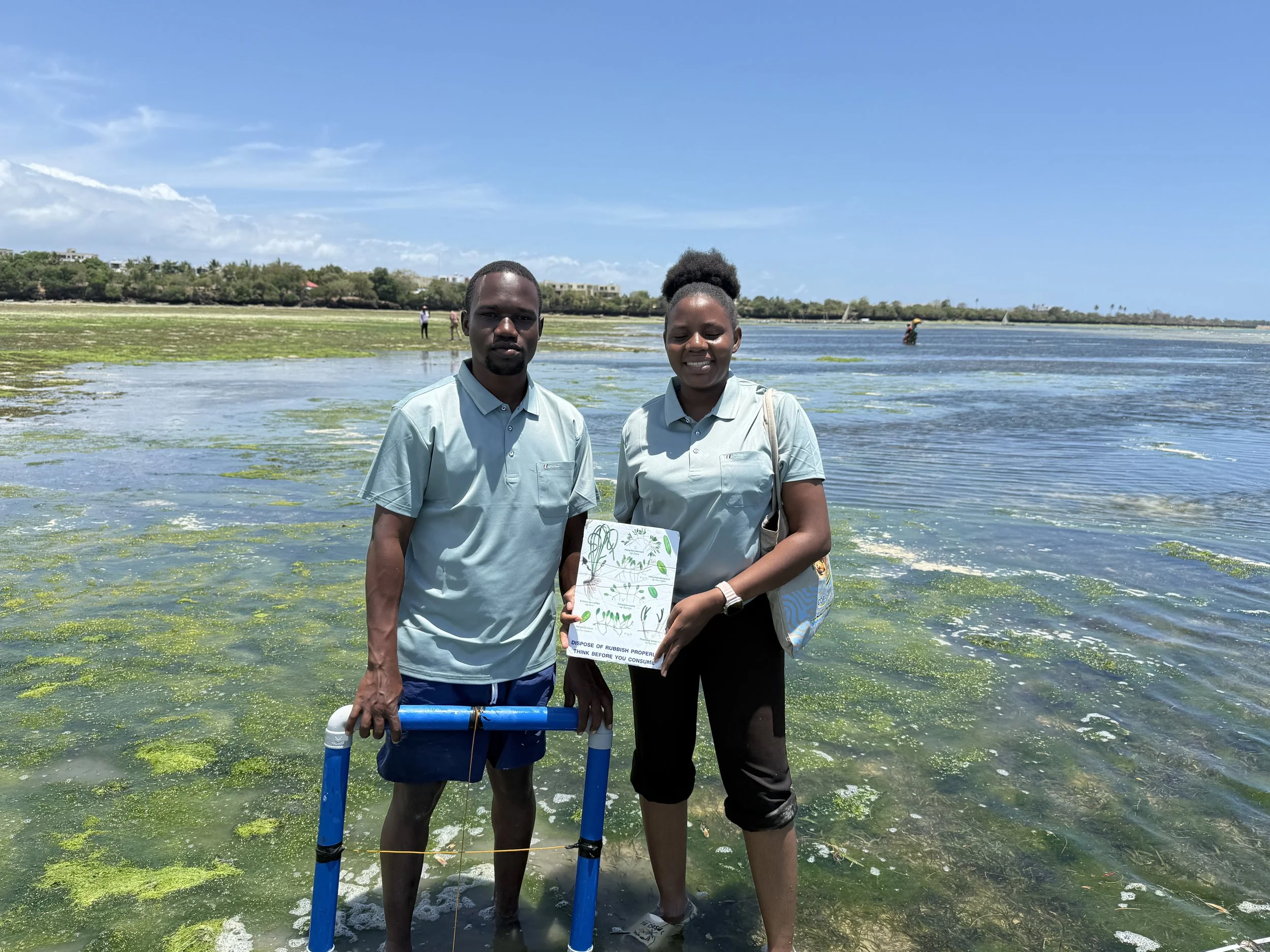
Monitoring Methods
Monitoring methods are being developed to support future conservation and research activities.