
LITTORAL
CREDIT

Location
Zanzibar, Tanzania — developing applications across the Western Indian Ocean.

Duration
Since 2023 to date

OVERSIGHT
Research coordination, field verification and scientific review.

Focus
Blue Carbon, marine biodiversity evidence and community-led conservation.
LITTORAL CREDIT
Marine Nature & Blue Carbon Initiative
LITTORAL CREDIT
GIVING THE COAST THE CREDIT IT DESERVES.
The littoral zone is one of the most productive and valuable parts of the marine environment. Seagrass meadows, coral reefs, seaweed beds, intertidal habitats and fish populations work together to support biodiversity, fisheries, food security, carbon storage, coastal protection and local livelihoods.
Yet these connected ecosystems are increasingly under pressure from coastal development, port infrastructure, tourism, climate change and expanding marine activities. Their ecological and economic value is rarely measured together, and the communities who depend on them often bear the cost of their degradation.
Bahari Yetu is developing the LITTORAL CREDIT to change how these ecosystems are valued, protected and managed.
Our ambition is to establish a credible, independently verified mechanism that recognises the ecosystem services provided by the littoral zone, creates financial incentives for their protection and encourages responsible use of coastal resources.
THREE CONNECTED PRIORITIES
PROTECT — Map and monitor seagrass, coral reefs, mangroves, seaweed habitats and fish populations. Establish ecological baselines, investigate sediment carbon storage and identify the habitats and ecosystem services that need protection.
REDUCE IMPACT — Work with coastal developers, tourism operators, fishing communities and seaweed farmers to identify environmental pressures, improve planning and reduce damage from infrastructure, anchoring, sediment disturbance and poorly managed marine activities.
REWARD — Develop pathways towards independently verified biodiversity and blue-carbon credits and other conservation-linked financial mechanisms. Recognise measurable protection and restoration outcomes, while directing benefits towards the communities and organisations safeguarding these ecosystems.
Our technical programme brings together habitat mapping, underwater surveys, fish monitoring, sediment sampling, carbon analysis and community engagement. By combining ecological observations with information about fisheries and coastal livelihoods, we aim to understand not only what habitats contain, but what they provide and what is lost when they deteriorate.
We are actively seeking partnerships with universities, research institutions, carbon specialists, project developers and independent verification organisations to develop suitable methodologies and establish credible routes towards recognised conservation finance.
OUR OBJECTIVE
Put an economic value on the services provided by healthy coastal ecosystems. Create incentives to protect the interconnected habitats of the littoral zone, reduce the environmental cost of coastal development and ensure local communities share in the long-term value of the ecosystems they help protect.
LITTORAL CREDIT. IT'S TIME THE COAST GOT THE CREDIT.
LITTORAL CREDIT
Currently active Projects
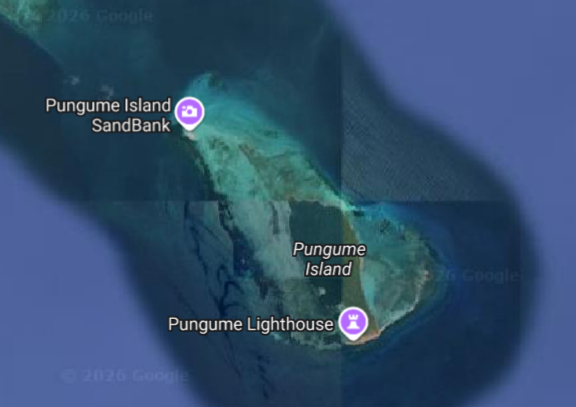
PUNGUME ISLAND — SEAGRASS & BLUE CARBON
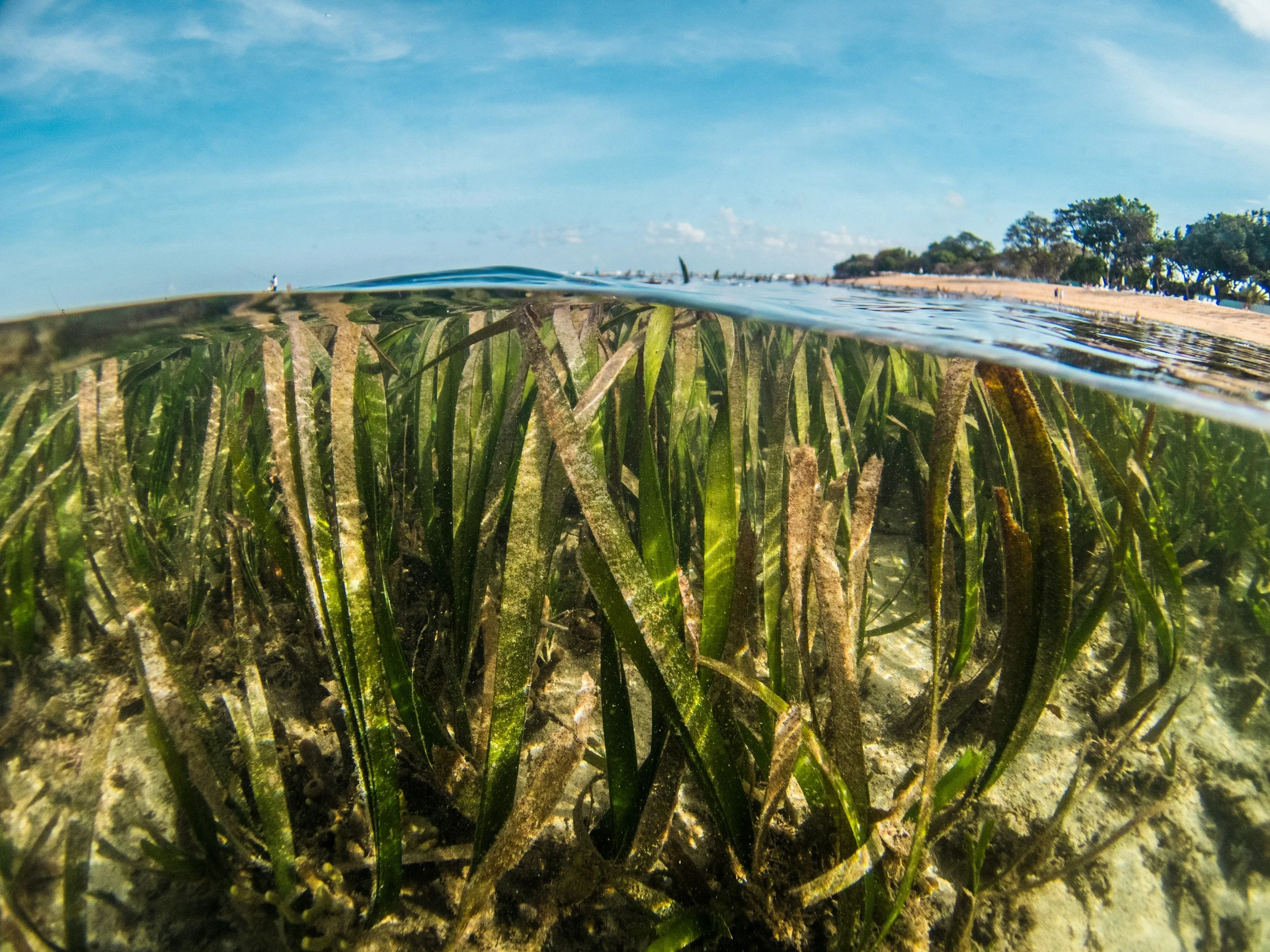
Pungume Island is an important focus for understanding the relationship between Zanzibar’s seagrass ecosystems, marine biodiversity and coastal livelihoods. Bahari Yetu is developing a programme to map seagrass habitats, investigate sediment carbon storage and build a clearer picture of the ecological and economic value of these underwater meadows.
Our work brings together habitat surveys, sediment sampling, carbon research and community engagement. Working alongside local fishers and coastal communities, we aim to document seagrass distribution, understand changes in habitat condition and record how local livelihoods depend on healthy marine ecosystems.
Key areas of work include:
SEAGRASS MAPPING — documenting meadow distribution, habitat condition and changes over time.
BLUE CARBON RESEARCH — investigating organic carbon stored within seagrass sediments and developing methods for reliable carbon quantification.
BIODIVERSITY MONITORING — recording fish and other marine life associated with seagrass habitats.
COMMUNITY ENGAGEMENT — working with local fishers to document traditional knowledge, fishing grounds and ecosystem changes.
ECONOMIC VALUE — investigating the contribution of seagrass to fisheries, coastal protection and local livelihoods.
CREDIT DEVELOPMENT — exploring the requirements for an independently verified seagrass carbon project in East Africa, with the potential to connect conservation outcomes to international carbon markets.
Our ambition is to build the scientific evidence, local participation and verification framework needed to give seagrass conservation greater recognition and ensure that the communities protecting these habitats are part of the benefits.
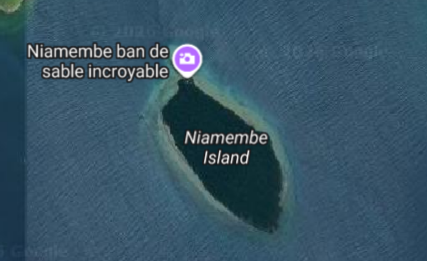
NIAMEMBE ISLAND — MARINE HABITAT & COMMUNITY RESEARCH
Niamembe Island offers an opportunity to investigate the relationship between island ecosystems, surrounding seagrass habitats and the communities that depend on these coastal waters. Bahari Yetu is exploring opportunities for baseline marine surveys to better understand habitat condition, biodiversity and the pressures affecting this environment.
Our approach combines practical field monitoring with local knowledge, building a clearer picture of how marine habitats support fisheries and coastal livelihoods.
Key areas of research include:
HABITAT MAPPING — documenting surrounding seagrass beds, shallow-water habitats and coastal features.
SEDIMENT & CARBON — investigating sediment characteristics and the potential for organic carbon storage.
MARINE BIODIVERSITY — recording fish and associated species through underwater observations and camera surveys.
FISHERIES KNOWLEDGE — working with local fishers to understand fishing grounds, seasonal patterns and changes in catches.
CONSERVATION PLANNING — identifying important habitats and opportunities for locally managed protection.
The objective is to establish a reliable baseline, strengthen community involvement and develop practical evidence to guide long-term marine conservation around Niamembe.
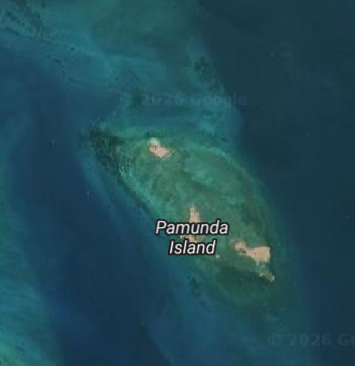
PAMUNDA ISLAND — SEAGRASS & REEF MONITORING
Pamunda Island and its surrounding shallow-water habitats provide an important setting for studying the connections between seagrass meadows, coral reef environments and marine biodiversity. Bahari Yetu aims to develop a clearer understanding of these habitats through repeatable field surveys and environmental monitoring.
Our work focuses on documenting the condition of coastal ecosystems, identifying areas of ecological importance and understanding how environmental changes affect the marine resources used by local communities.
Key areas of research include:
SEAGRASS SURVEYS — mapping meadow distribution and assessing habitat condition.
REEF MONITORING — documenting coral habitats, reef structure and visible environmental pressures.
SEDIMENT INVESTIGATION — measuring deposition and examining sediment characteristics across shallow-water habitats.
FISH ASSEMBLAGES — using underwater cameras and BRUV surveys to record marine life.
COMMUNITY KNOWLEDGE — engaging local fishers to understand fishing activity, seasonal changes and important marine areas.
CONSERVATION PLANNING — identifying opportunities for habitat protection, restoration and locally managed marine conservation.
Our aim is to turn field observations into a reliable environmental baseline that can guide future research, coastal management and community-led protection around Pamunda Island.
IMPACT & TIMELINE
Bahari Yetu's marine monitoring programme began at Nyamanzi, Fumba, and has expanded across Pungume, Niamembe and Pamunda Islands. Our work combines seagrass and reef monitoring, sediment carbon investigation and community engagement to build the scientific evidence needed to develop a new approach to marine conservation finance.
The ambition is to create a credible credit mechanism that rewards the protection and restoration of marine ecosystems, encourages responsible coastal development and ensures local communities benefit from the value of the habitats they help protect.
HOW THE PROGRAMME EXPANDED
2023 — NYAMANZI: INITIAL GROUNDWORK — Establishing local engagement and developing the foundations of our marine monitoring and conservation programme.
2024 — NYAMANZI: PILOT SITE — Establishing our first monitoring site, developing repeatable seagrass, mangrove and reef survey methods and beginning to build the ecological baseline.
2025 — PUNGUME & NIAMEMBE ISLANDS: EXPANSION — Extending fieldwork across additional islands, investigating seagrass distribution, sediment carbon, marine biodiversity and local fishing activity.
2026 — PAMUNDA ISLAND: MULTI-ISLAND MONITORING — Expanding reef and seagrass surveys, sediment investigations and community engagement, connecting evidence from all four locations.
DEVELOPING THE CREDIT MECHANISM
Building on the Savimbo ISBM approach, we are developing a marine-focused framework combining verified indicator-species observations, repeatable habitat monitoring, sediment carbon research and community participation.
Our intended pathway includes:
BIODIVERSITY CREDITS — Developing verifiable evidence of marine biodiversity conservation outcomes.
SEAGRASS BLUE CARBON — Investigating sediment carbon stocks and the requirements for independently verified seagrass carbon credits.
IMPACT REDUCTION — Creating incentives for tourism operators, seaweed farmers and coastal developers to protect sensitive habitats and reduce environmental damage.
COMMUNITY BENEFITS — Exploring mechanisms that direct financial value towards local communities protecting these ecosystems.
INTERNATIONAL MARKETS — Working towards recognised methodologies, independent verification and credible certificates that can provide access to emerging biodiversity and carbon markets.
OUR OBJECTIVE
Turn marine conservation into something that can be measured, independently verified and economically recognised. We want to develop a credit mechanism that makes healthy seagrass, mangroves and coral reefs valuable assets, creates incentives to reduce coastal impacts and ensures that local communities share in the benefits of protecting them.
Want to learn more?
Leave your message here and we’ll get back to you soon!