
OCEAN lab

Location
Zanzibar, Tanzania.

Duration
Since 2023 to date

Supervision
Academic Research Director, Research Coordinator

Focus
Community-Based Seagrass / Seaweed Research & Restoration
OCEAN LAB
Seagrass, SEAWEED & Coastal Livelihoods
Zanzibar’s seagrass meadows are highly productive shallow-water habitats, linking marine biodiversity, carbon storage with the people who depend on the coast.
They provide feeding and nursery habitat for marine life, help hold sediments in place, and support productive fishing and harvesting grounds. For dugongs/ turtles, seagrass is essential feeding habitat; for local communities, the same shallow waters support seaweed farmers, mollusc pickers and fishers. OCEAN LAB brings these connections together through seagrass monitoring, dugong habitat research and a focus on the livelihoods linked to Zanzibar’s shallow coastal ecosystems.
A key part of our research is exploring how seaweed farming and natural seagrass meadows can coexist without negatively affecting either. Seaweed cultivation provides an important livelihood for coastal communities, but farm placement, shading, structures and changes in local water conditions may influence neighbouring seagrass habitats. We aim to investigate these interactions through field observations, habitat monitoring and engagement with seaweed farmers, identifying suitable locations and practical farming approaches that support production while protecting seagrass health.
Our objective is to develop evidence-based guidance that helps maintain productive seaweed farms alongside healthy seagrass meadows, supporting both coastal livelihoods and the ecosystems on which they depend.
Ocean Lab
Currently active Projects
Seagrass Mapping, Monitoring AND RESORATION
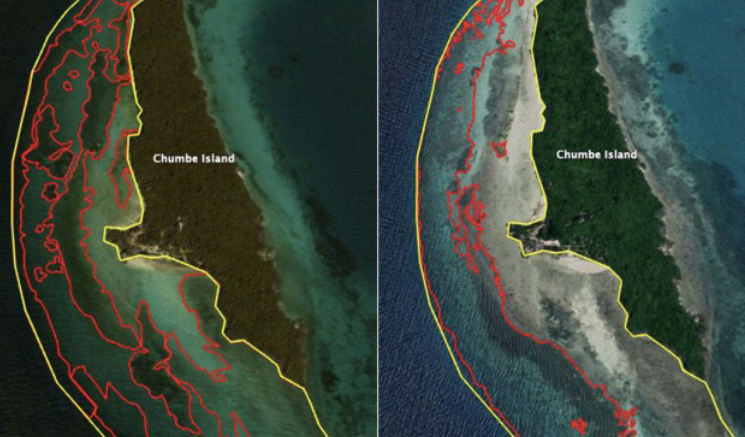
Mapping Zanzibar’s seagrass meadows using GPS-referenced field surveys, drone imagery, sonar and GIS to track their distribution, condition and change over time — building a reliable baseline for dugong habitat, biodiversity and coastal livelihoods.
Testing practical techniques for restoring Zanzibar’s seagrass meadows, including transplanting, planting and different methods of securing seagrass in the field, while monitoring survival and recovery over time.
SEA CUCMBER FARMING
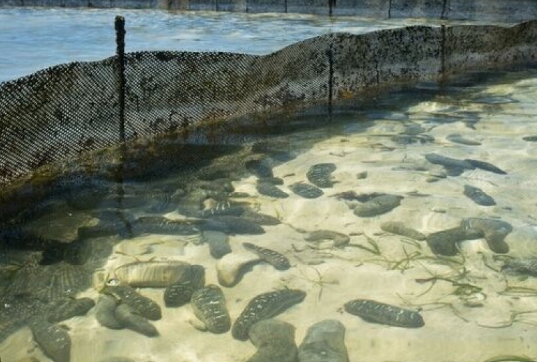
Exploring sustainable sea cucumber aquaculture as an opportunity to diversify coastal livelihoods and develop new marine farming opportunities in Zanzibar.
Our work focuses on suitable species, farming systems, habitat requirements, growth monitoring and practical production methods. We aim to investigate how sea cucumber farming can operate alongside existing coastal activities while maintaining healthy marine environments.
Working with local communities, we seek to develop appropriate farming approaches, build practical knowledge and assess the potential for sustainable production, improved livelihoods and responsible use of marine resources.
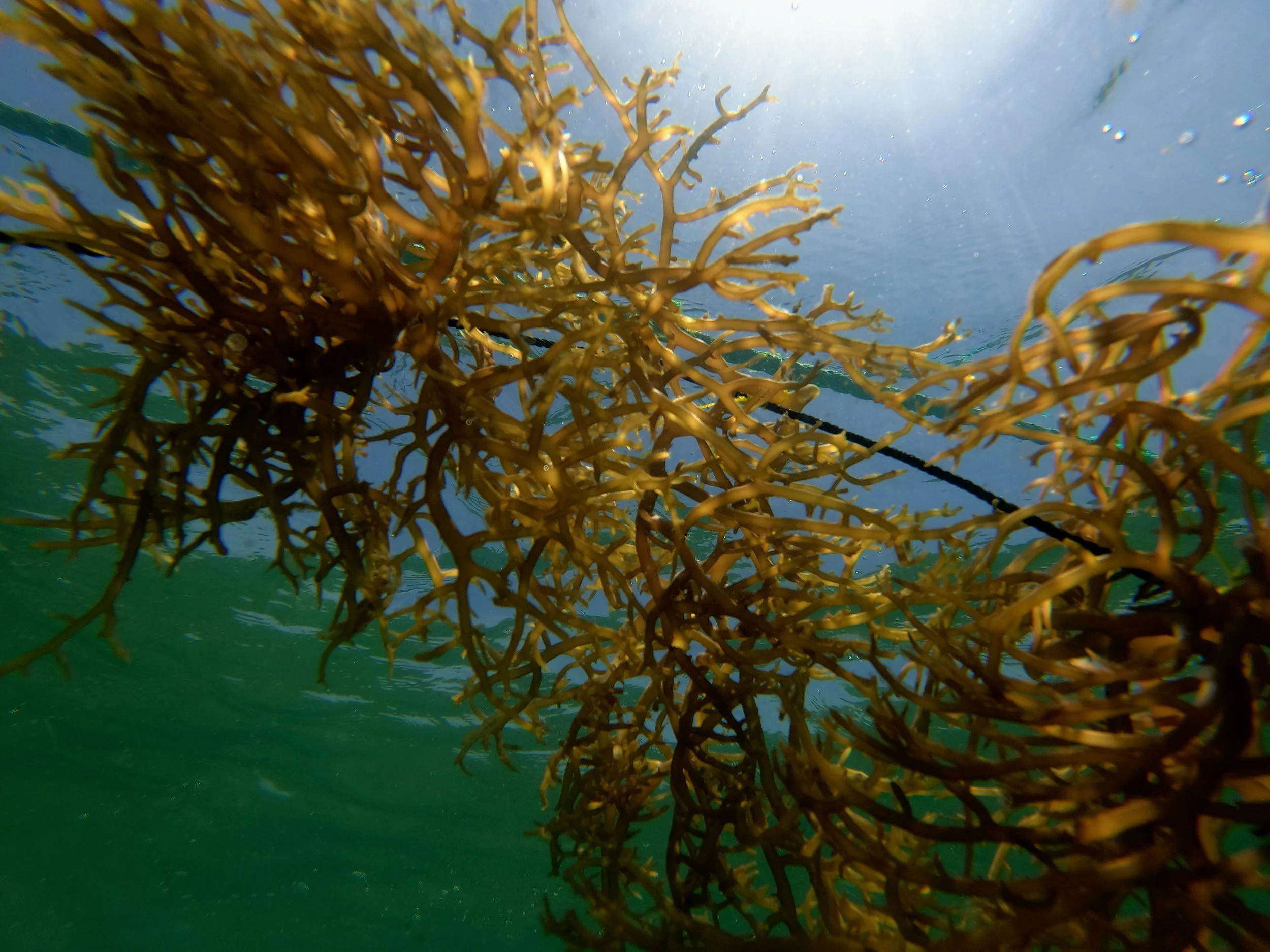
SEAWEED & ULVA FARMS
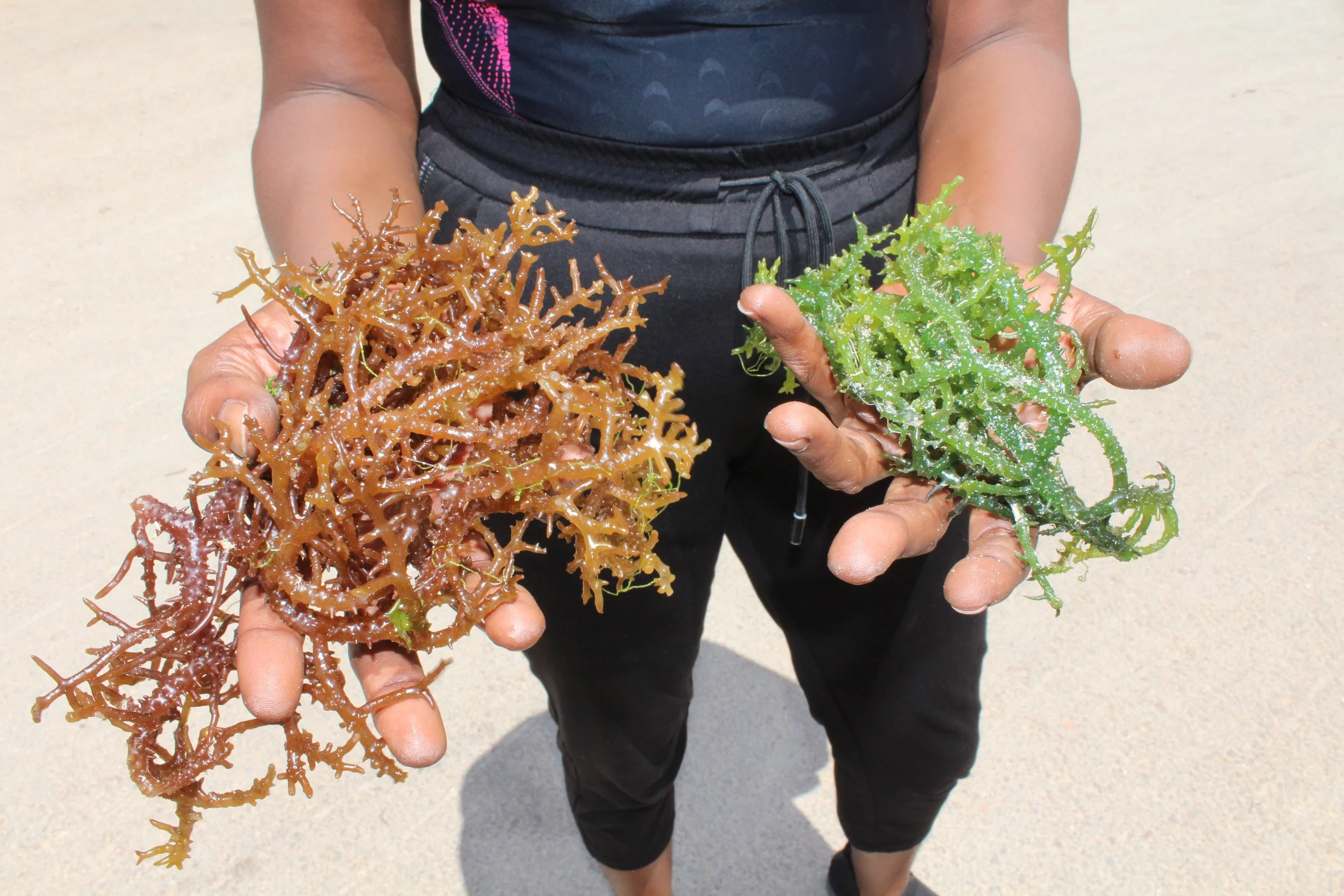
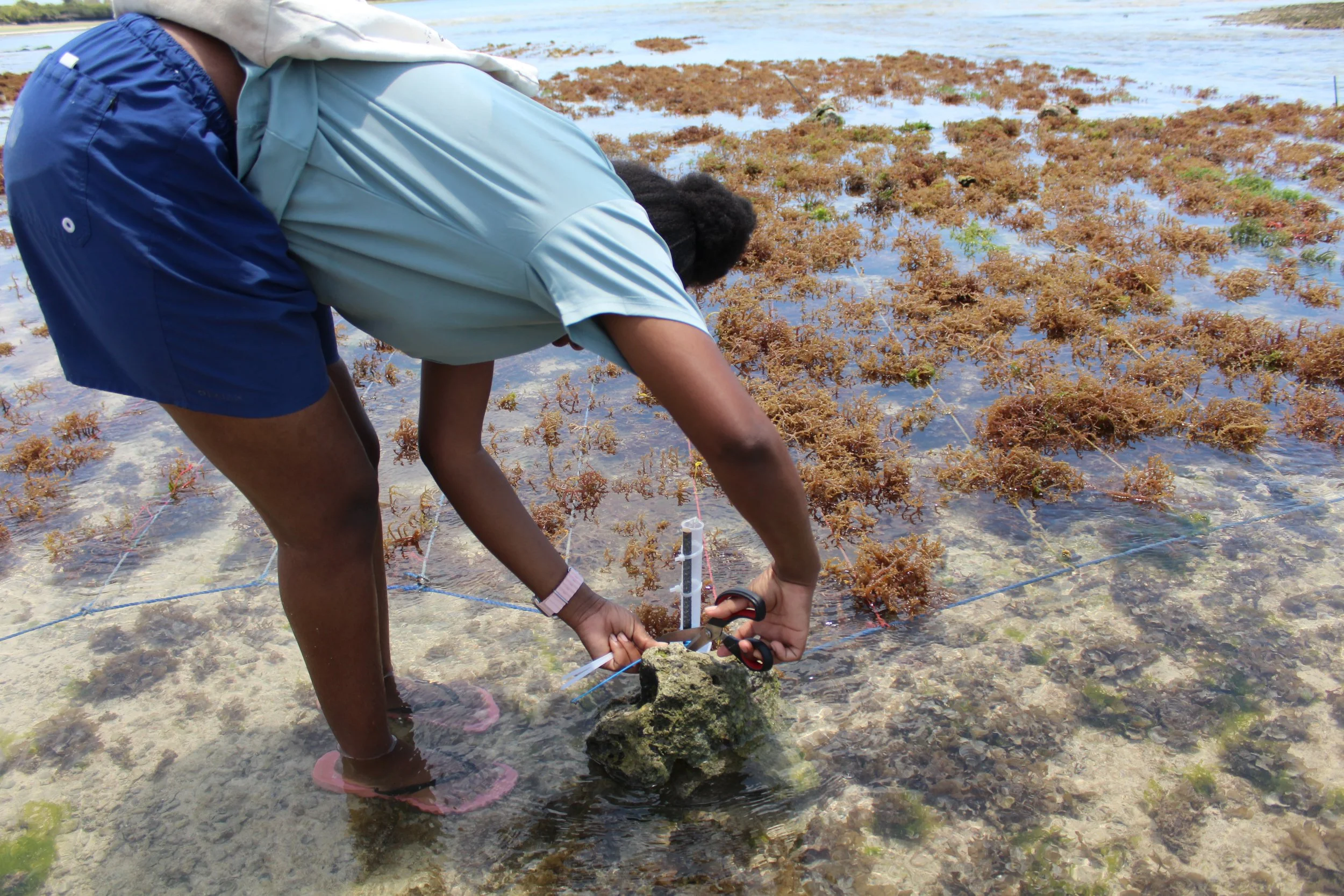
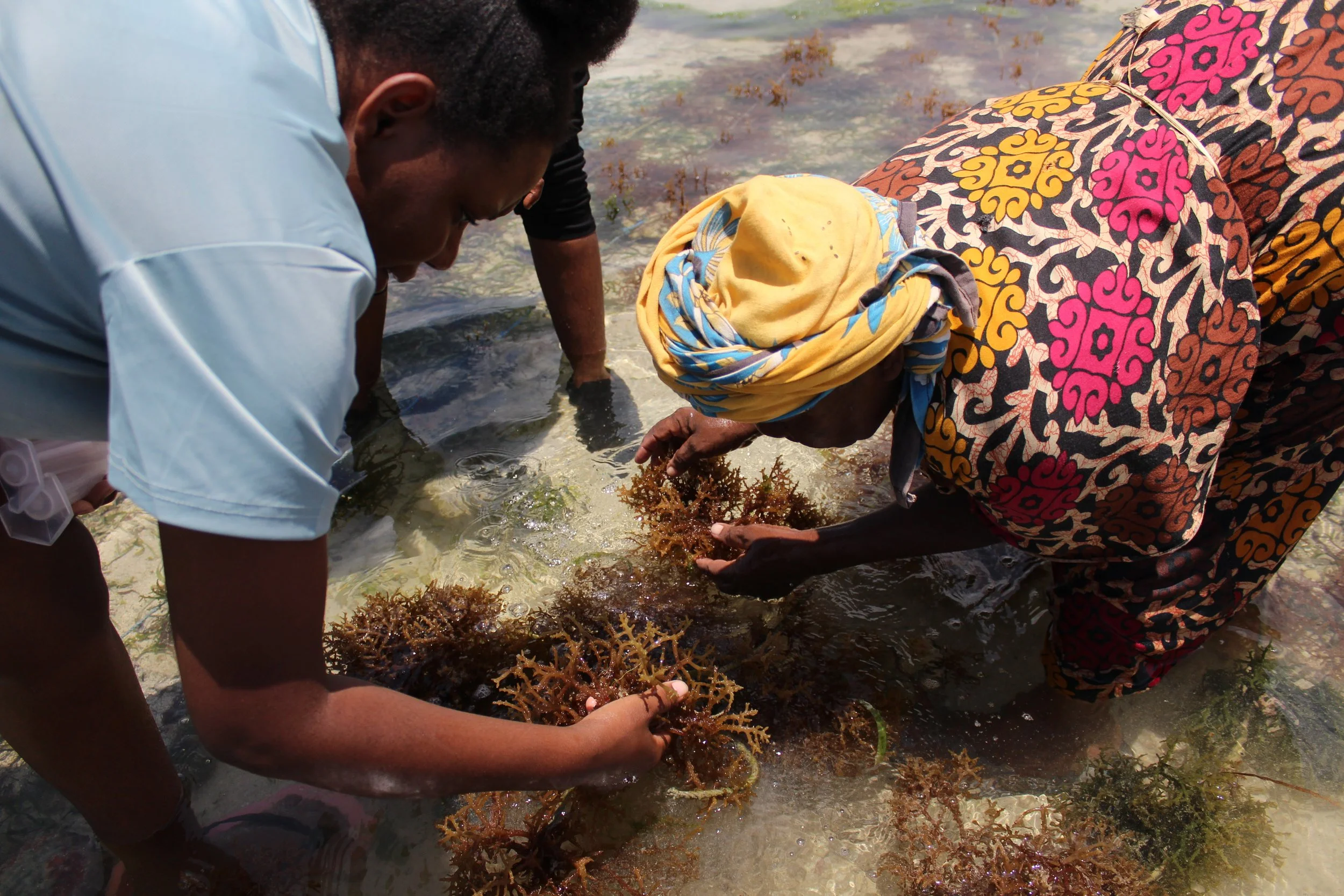
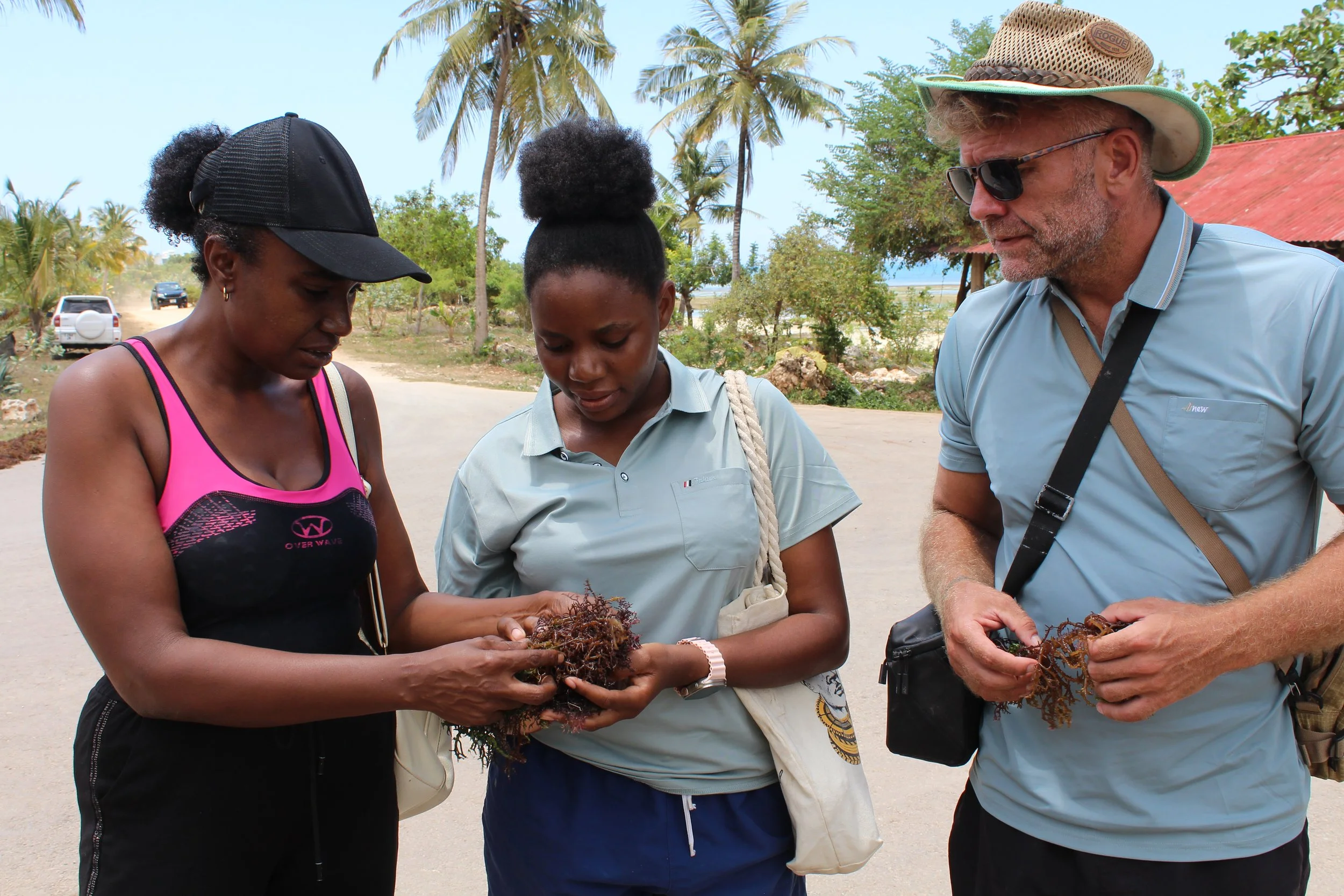
Bahari Yetu supports the development of sustainable seaweed farming to strengthen coastal livelihoods and create economic opportunities for local women. Working alongside existing seaweed farming communities, we aim to improve cultivation methods, drying practices, product quality and access to new markets.
Our work focuses on practical improvements that increase productivity, reduce post-harvest losses and support women-led marine enterprises. Looking ahead, we are also exploring the potential for offshore seaweed farming, investigating suitable locations and cultivation systems that could expand production beyond traditional intertidal farms.
Our objective is to strengthen local seaweed livelihoods while developing new opportunities for sustainable marine aquaculture in Zanzibar.
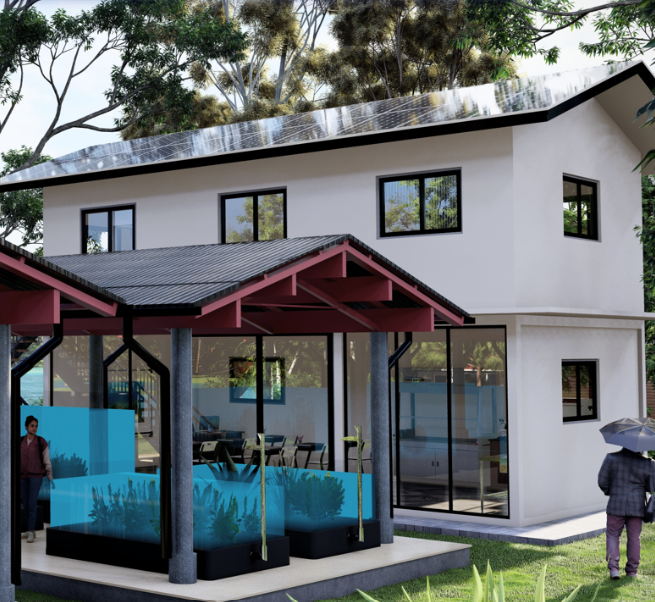
FUMBA Mangrove & Seagrass Field Lab & Nursery
Based in Nyamanzi village, Zanzibar, our field laboratory connects mangrove and seagrass conservation through practical ecosystem monitoring, nursery development and restoration trials. We study the relationships between coastal habitats and their role in supporting marine biodiversity, fisheries and resilient shorelines.
Our work promotes ocean sustainability through local research, habitat protection and community participation. Alongside our field activities, we aim to support local children through swimming coaching and water-safety education, helping them develop confidence in the water and a stronger understanding of the ocean environment on their doorstep.
SEAGONG
IMPACT & TIMELINE
OCEAN LAB combines seagrass mapping, dugong/ turtle research, restoration trials and seaweed cultivation to better understand Zanzibar’s coastal ecosystems. We use drone surveys, sonar, field monitoring and local knowledge to document habitat change and support ocean sustainability.
Our work includes:
SEAGRASS MAPPING — mapping meadows using GPS, drones, sonar and GIS.
DUGONG/ TURTLE RESEARCH — non-invasive drone surveys to document sightings and feeding trails.
FLOATING SEAWEED & ULVA FARMS — exploring practical cultivation systems.
NYAMANZI FIELD LAB — mangrove and seagrass monitoring, nursery development and restoration trials.
SEAWEED FARMER SUPPORT — improving drying methods and local production.
COMMUNITY ENGAGEMENT — ocean sustainability education and swimming and water-safety coaching for local children.
TIMELINE
2024 — Programme development: establishing the focus on seagrass and coastal ecosystems.
2025 — Fieldwork and restoration: developing monitoring methods and community engagement.
2026 — Integrated research: expanding drone surveys, restoration trials, seaweed cultivation and the Nyamanzi field lab.
NEXT PHASE — Measure and improve: building repeatable evidence to guide conservation and local action.
Want to learn more?
Leave your message here and we’ll get back to you soon!