
MARINE CONSERVATION, FIELD RESEARCH & VOLUNTEERING IN ZANZIBAR
Join Bahari Yetu in the field across Zanzibar’s seagrass meadows, mangroves and coral reefs. Take part in real monitoring, restoration and community-led research — using underwater cameras, AI-assisted analysis and practical field science to understand changing marine ecosystems. Not just an observer. A contributor to work that builds evidence and supports local conservation.

Location
Zanzibar, Tanzania — field sites across seagrass meadows, mangroves and coral reefs.

Duration
Flexible placements, agreed according to project needs, skills and availability.

Supervision
Hands-on guidance from the Bahari Yetu team, with marine fieldwork and research experience.

Focus
Marine conservation, ecosystem monitoring, AI-assisted fish surveys, restoration and community engagement.
Program overview
Why join a conservation internship in Zanzibar ?
Zanzibar is one of East Africa’s most biodiverse regions — and one of its most threatened. Tropical forests, mangroves, seagrass meadows, and coral reefs exist in close ecological proximity here, forming a living continuum where the health of each ecosystem depends on the others.
At Bahari Yetu Research and Development, we offer a conservation internship in Nyamanzi village that goes far beyond observation. Whether you’re drawn to an environmental internship with academic depth, a research internship focused on real field data, or a more flexible form of eco-volunteering, you’ll be working on active restoration projects supervised by MSc and PhD-level scientists — in one of the most spectacular coastal landscapes in the world.
What makes this environmental internship different:
Academic rigour in the field. Our programs are designed and supervised by our Academic Research Director. You don’t just observe — you design research questions, collect data, and contribute to findings that feed into published research.
A genuine forest-to-reef approach. We’re one of the few programs in Zanzibar where a single intern can work across forests, mangroves, seagrass, and coral reefs in the same placement.
Community-rooted conservation. We work directly with local communities and collaborate with institutional partners like the Mwambao Costal community NGO, the Department of Marine and Coastal Resources — or the Ministry of Blue Economy because lasting restoration can’t happen without local knowledge and buy-in.
Real flexibility. From two weeks of eco-volunteering to a multi-month research apprenticeship, we match your commitment level, not the other way around.
Zanzibar location also means your off-hours are extraordinary: Stone town heritage tours, national parks, kite surfing in Paje, and islands are yours to explore on weekends.
How to join our conservation and permaculture internship in Zanzibar
Whether you’re applying as an eco volunteer, an environmental science intern, or a research apprentice — the process is simple. Three steps to find your place in our programs.
01
02
Choose your pathway
03
Talk to a program advisor
1. Conservation internship & volunteering : Choose your commitment
-
Eco volunteering with Bahari Yetu is designed for people who want to make a tangible contribution to conservation and regenerative practices without committing to an academic project. It’s the most flexible way to engage — and one of the most meaningful volunteer abroad programs available in southern Zanzibar.
As an eco volunteer, you join our weekly field schedule from day one: planting mangroves, conducting species counts, maintaining coral nurseries, or supporting permaculture systems — depending on the season and the active projects. You’ll work alongside interns, apprentices, and local partners, all within the same supportive framework.
⏱ Minimum duration : 2 weeks
Academic project : not required
Supervision : Research/Volunteer Coordinator
Ideal for : gap year travellers, career professionals seeking a meaningful break, first-time conservation volunteers
Volunteering in Zanzibar with us means contributing to something real — not performing conservation for a camera. Every hour of fieldwork feeds into long-term data that our research team actively uses.
-
Our internship level is built for students and early-career professionals who want structured academic experience and professional guidance alongside fieldwork. It’s one of the most comprehensive environmental science internships abroad currently available in the WIO region — and it’s grounded in actual science and grounded practice, not conservation tourism.
Interns join all weekly field activities, then layer on a mentored mini-project: you identify a question, design a methodology, collect data, and present findings with guidance from our MSc/PhD-level team. Past intern projects have looked at seagrass biomass recovery rates, mangrove phenology, coral nursery survival rates, forest biodiversity indices or regenerative designs.
⏱ Minimum duration : 4 weeks
Academic project : required (mentored mini-project)
Supervision : Academic Research Director + Research Coordinator
Ideal for : BSc and MSc students in environmental science, ecology, agroecology, marine biology, geography — recent graduates, professionals pivoting into environmental work
Concrete skills you’ll develop:
Ecological survey design and execution
Ecosystem restoration project implementation
Biodiversity monitoring protocols (forest, coastal, marine)
Water quality analysis with professional instruments
Basic biostatistics and data interpretation
Scientific communication and reporting
Environmental science & permaculture practice internships abroad should give you something concrete to put on a CV and talk about in an interview. Ours does.
-
The apprenticeship is our highest level of engagement — a long-term research internship in Thailand for those ready to carve out a genuine focus area within our programs.
Apprentices contribute fully in our weekly field schedule, then dedicate a significant portion of their time to a self-directed research project developed in collaboration with our Academic Research Director. Past apprentices have worked on coral propagation techniques, dugong habitat use mapping, mangrove phenology under climate stress, and circular waste management models in Krabi Province. Several have contributed to peer-reviewed publications or academic theses.
This track is also appropriate for professionals conducting independent fieldwork, doctoral students gathering primary data, or researchers from partner universities undertaking placement years.
⏱ Minimum duration : 8 weeks
Academic project : required (self-directed, research-grade)
Supervision : Academic Research Director
Ideal for : MSc and PhD students, conservation professionals, independent researchers and academics
This is a research internship in Zanzibar for people who want to leave with something that counts — data, publications, and the kind of experience that shapes a career.
2. Conservation internship volunteering : Choose your pathway
Discover your path within nature’s continuum.
Whether you’re drawn to hands-on ecosystem restoration internships — from forest to reef — or to permaculture and regenerative living, each pathway offers a unique way to contribute, learn, and create real impact in southern Thailand.
-
Forest to Reef Continuum
Contribute to restoration and research along the forest-to-reef continuum, from tropical forests and mangroves to seagrass meadows and coral reefs.
-
Regenerative Living
The permaculture and sustainable living focus centers on designing and maintaining regenerative systems that support both communities and ecosystems.
MARINE ECOSYSTEM RESEARCH & RESTORATION IN ZANZIBAR
CHOOSE YOUR PROGRAMME
Bahari Yetu’s marine research and restoration programmes span the connected coastal ecosystems of Zanzibar, from mangrove forests and seagrass meadows to coral reefs and the marine life they support. Each programme contributes to our wider work in ecosystem monitoring, biodiversity research, habitat restoration and community-led conservation.
Choose a programme to match your interests, or combine multiple tracks depending on your experience and placement duration. Through practical fieldwork, data collection and ongoing research and development, participants contribute to work designed to improve our understanding of marine ecosystems and support evidence-led conservation.
Our programmes connect marine science with real-world challenges, including habitat degradation, changing fish populations, coastal development and the livelihoods of communities that depend on healthy oceans.
FISH EYE
Ocean Lab
Marine Protected Areas
Reef Ortho
-
East Africa’s coral reefs face mounting pressure from coastal development, sedimentation, warming seas and changing marine ecosystems. REEF ORTHO uses underwater photogrammetry and 3D reconstruction to document reef structure, map habitats and support evidence-based monitoring and restoration.
This reef mapping and marine conservation internship focuses on practical field techniques, combining underwater image collection, photogrammetry and spatial analysis to build detailed records of reef environments.
Interns and volunteers working within the REEF ORTHO program take part in:
Underwater photogrammetry — capturing overlapping images of reef surfaces to reconstruct detailed 3D models.
Orthomosaic production — processing underwater imagery into scaled, spatially referenced maps of reef habitats.
3D reef reconstruction — using photogrammetry and Gaussian splatting to visualise reef structure and investigate changes over time.
Habitat mapping — documenting coral formations, reef complexity and the spatial distribution of benthic features.
Repeat-survey monitoring — establishing repeatable image collection methods to compare reef conditions across surveys.
Digital analysis & community engagement — translating spatial data into useful evidence for conservation planning and local marine stewardship.
Program: REEF ORTHO
Ecosystem: Coral reefs & coastal marine habitats
Methods: Underwater photogrammetry, orthomosaics, 3D reconstruction & spatial analysisNo prior photogrammetry experience required; practical training is provided according to project needs.
-
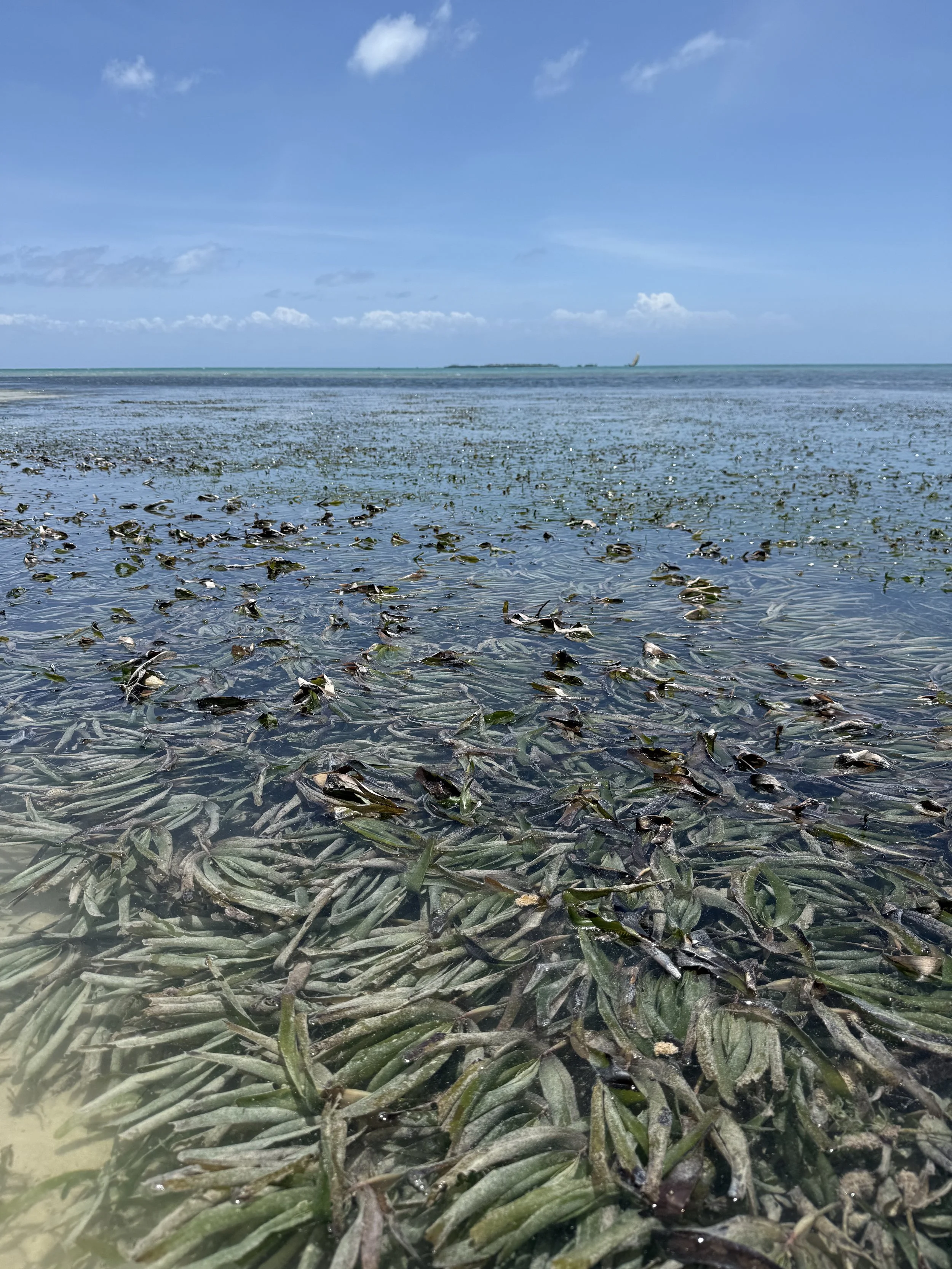
Seagrass meadows are critical feeding habitats for dugongs, sea turtles, and a vast array of fish species — yet they remain among the least monitored ecosystems in Southeast Asia. Our SeaGong program is changing that, and interns play a direct role.
Zanzibar’s coastal waters support one of Tanzanias last significant dugong populations. This seagrass conservation internship places you at the heart of active monitoring efforts for both the meadows and the megafauna that depend on them — in collaboration with the Dar Es Salaam university and regional marine research and community networks.
Field activities include:
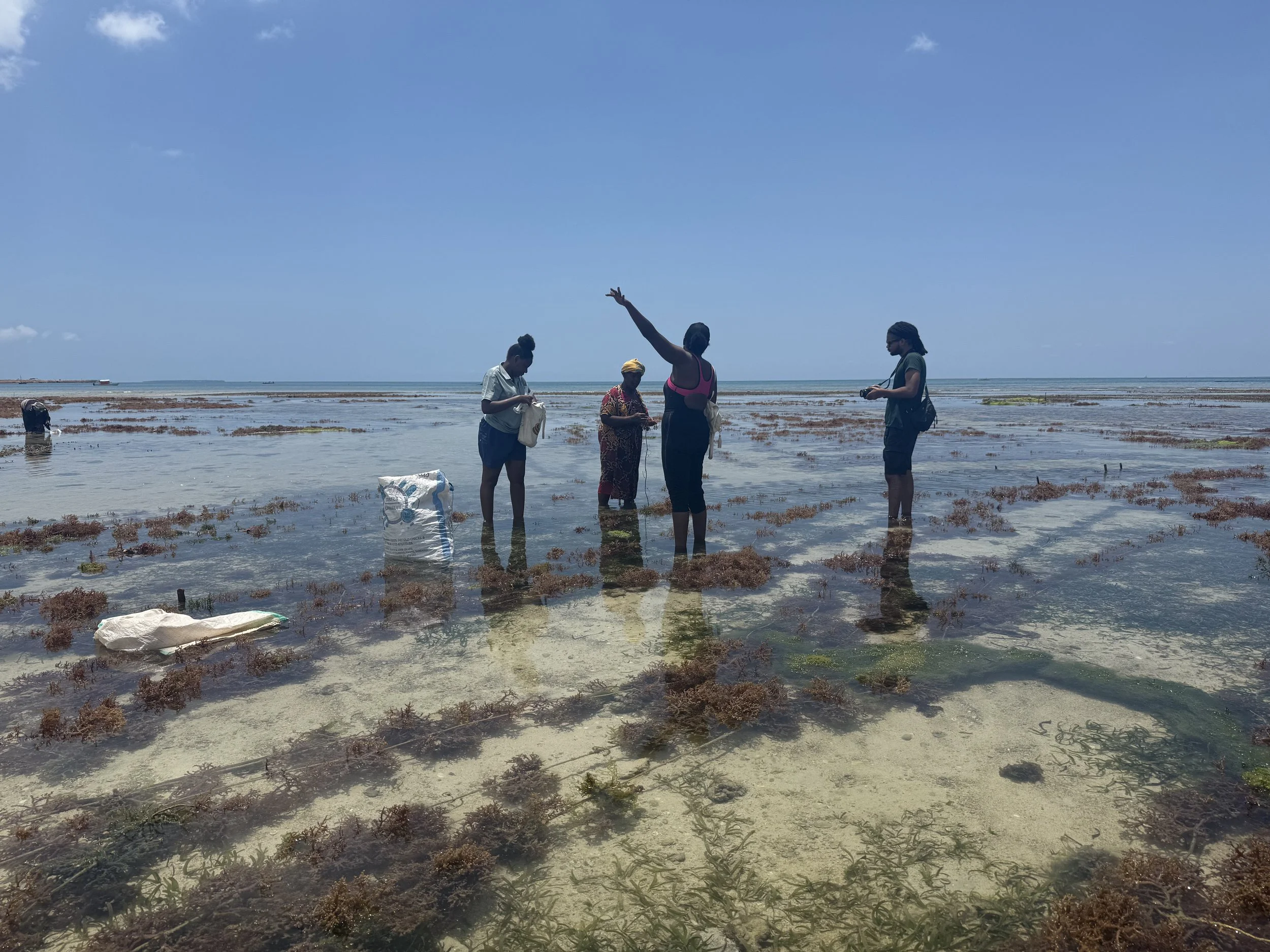
Seagrass biomass and recovery rate measurement — snorkelling and wading transects to monitor meadow health and regeneration
Dugong feeding trail surveys — mapping herbivory patterns to track population presence and habitat use
Aerial imagery analysis — reviewing drone footage to identify dugong movements and meadow extent
Water quality monitoring — assessing nutrient levels, turbidity, and conditions affecting seagrass growth
Species co-occurrence data collection — documenting the fish and invertebrate communities that use seagrass habitats
Program : SeaGong
Ecosystem : Seagrass meadows & coastal waters
Rare access to dugong habitat monitoring -
Fish communities are essential to East Africa’s marine ecosystems, fisheries and coastal livelihoods. Yet changes in fishing pressure, habitat condition and seasonal fish movements can be difficult to track without consistent field data. FISH EYE combines underwater cameras, BRUV surveys and AI-assisted analysis to improve how fish assemblages are documented and monitored.
This marine conservation research internship combines practical underwater survey work with computer vision, spatial analysis and collaboration with local fishing communities. Interns contribute to a developing monitoring programme designed to turn underwater footage and local ecological knowledge into structured evidence for marine conservation and fisheries management.
Interns and volunteers in this track work on:
BRUV surveys — deploying baited remote underwater video systems to record fish communities across reef and coastal habitats.
AI-assisted fish identification — processing underwater footage to detect fish and support species identification, with human verification.
Fish assemblage analysis — documenting species composition and comparing observations between monitoring sites.
Fisheries and migration monitoring — working with local fishers to record seasonal patterns, catch sizes and changes in fishing grounds.
Marine spatial planning — contributing fish observation data to habitat assessments, reserve planning and fisheries management.
Data processing and quality assurance — extracting video frames, reviewing detections and building repeatable datasets for long-term monitoring.
Program: FISH EYE
Ecosystem: Coral reefs, seagrass meadows and coastal fisheries
Methods: BRUV surveys, underwater video, AI-assisted analysis, spatial mapping and local ecological knowledgeNo prior AI or computer vision experience required. Practical training is provided according to project needs.
-
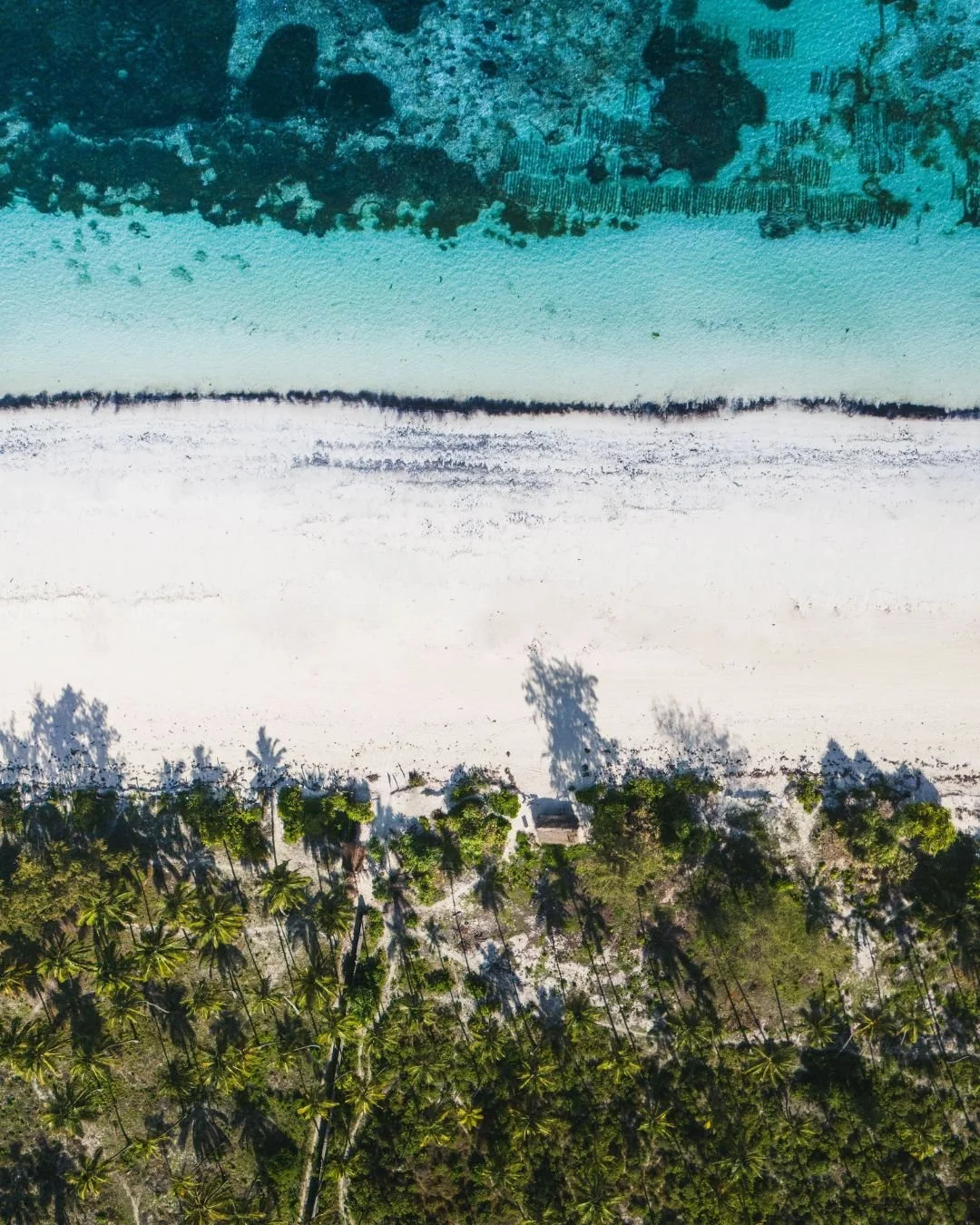
Zanzibar’s marine ecosystems are under increasing pressure from coastal development, sedimentation, fishing pressure and climate change. Seagrass meadows, mangrove forests and coral reefs are interconnected habitats that support marine biodiversity, fisheries and coastal livelihoods. Bahari Yetu brings these ecosystems together through an integrated marine conservation programme combining field research, restoration, technology and community participation.
Our marine conservation internship offers hands-on experience across active projects in Zanzibar and the wider East African region. Working alongside our team and local communities, interns contribute to practical ecosystem monitoring, AI-assisted fish surveys, underwater photogrammetry, sedimentation assessment and habitat restoration. The programme connects marine science with engineering, data analysis and local ecological knowledge to build evidence for long-term conservation.
Interns and volunteers may contribute to:
Coral reef monitoring and mapping — documenting reef condition, habitat structure and change through underwater surveys, photogrammetry and 3D reconstruction.
Seagrass and mangrove conservation — surveying habitats, assessing ecosystem condition and supporting restoration and regeneration activities.
AI-assisted fish monitoring — analysing BRUV and underwater camera footage to identify fish and compare assemblages across sites.
Marine environmental monitoring — investigating sedimentation, coastal development impacts and changes in sensitive marine habitats.
Marine spatial planning — contributing field observations and spatial data to support conservation priorities and locally managed marine areas.
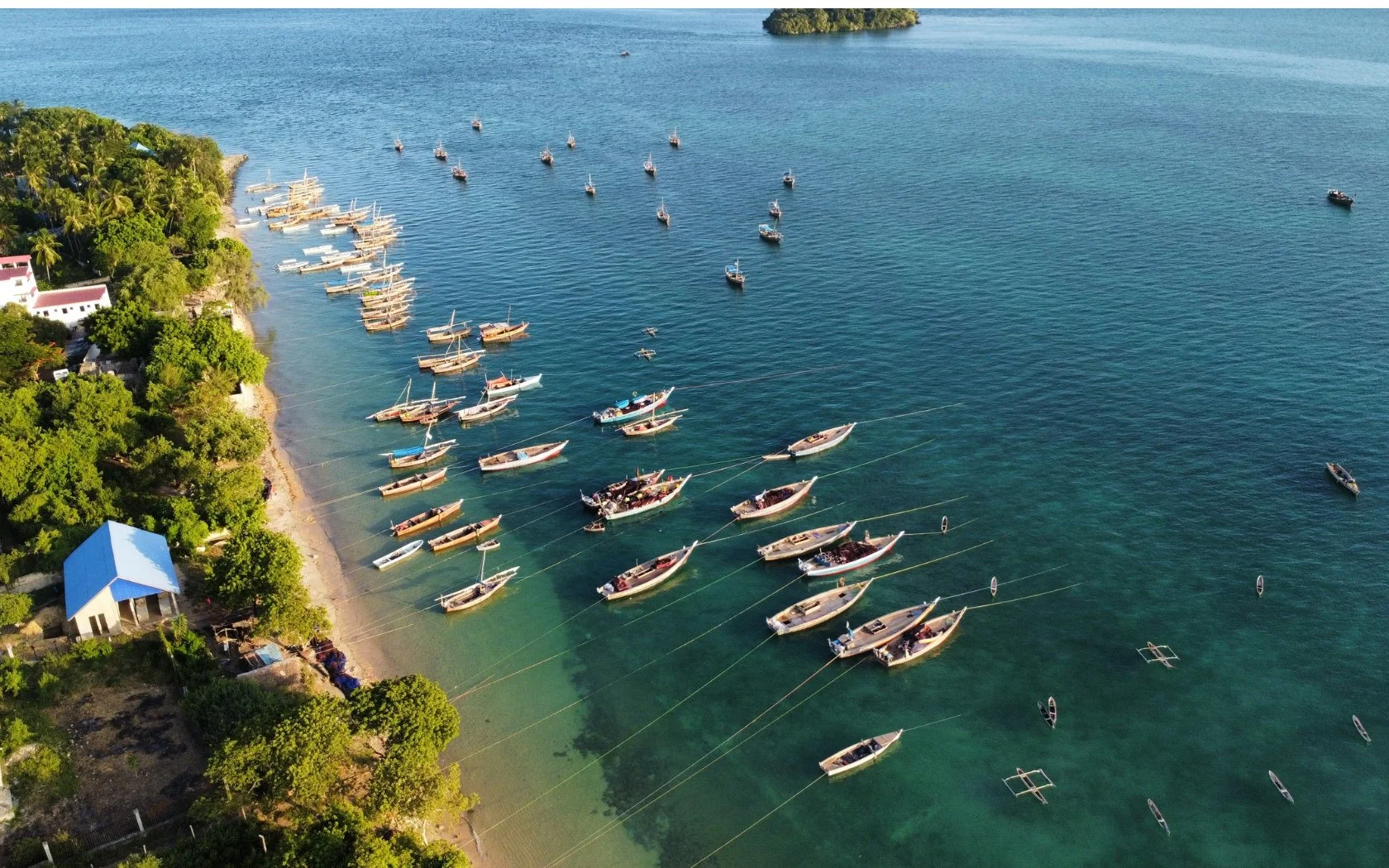
Community-led research — working with local fishers and coastal communities to document fishing patterns, seasonal fish movements and environmental change.
Data processing and quality assurance — transforming field observations into structured, repeatable records that support long-term monitoring.
Programme: Integrated Marine Conservation Internship — Bahari Yetu
Ecosystems: Coral reefs, seagrass meadows, mangroves and coastal fisheries
Methods: Underwater cameras, BRUV surveys, AI-assisted analysis, sonar, photogrammetry, habitat surveys and community-based monitoringOpen to marine science students, researchers, divers, non-divers and volunteers interested in practical conservation. Activities depend on project requirements, participant skills and field conditions; diving activities are subject to appropriate certification and safety requirements.
PROGRAM ACTIVITIES
Marine conservation internship in Zanzibar and East Africa: Schedule, accommodation and practical arrangements
All participants — whether joining as eco-volunteers, marine science interns or research apprentices — work within the same practical framework at Bahari Yetu. Activities draw on our connected marine conservation projects across Zanzibar and the wider East African region, combining field research, ecosystem monitoring, marine technology and community-led conservation.
Accommodation and meals are arranged according to the project, location and length of placement. Availability, costs and whether accommodation is shared or private will be confirmed before a placement is agreed. Participants should confirm their individual food and living arrangements with the team before travelling.
Field transport and equipment are coordinated around the project schedule. Where transport is arranged by Bahari Yetu, participants are taken to and from designated field sites. Project-specific equipment is supplied as required for the activities being undertaken. Participants must confirm any personal equipment, diving gear or other specialist requirements in advance.
Working schedule depends on tides, weather, sea conditions and the needs of each project. Fieldwork may include seagrass and mangrove surveys, coral reef monitoring, underwater camera and BRUV surveys, AI-assisted fish analysis, photogrammetry, sedimentation monitoring and engagement with local fishers and coastal communities. Some activities may require early starts or extended field days.
Time away from project activities can be used to explore Zanzibar, experience local culture and learn more about the coastal communities and ecosystems connected to our work. Weekend arrangements and any additional excursions depend on the project timetable.
Before your placement, we will discuss the project focus, expected dates, accommodation, meals, transport, costs and any relevant experience or qualifications. Diving activities are subject to appropriate certification, safety requirements and field conditions. Research activities are shaped by project needs and the participant’s skills, with scientific methods and data quality central to the programme.
Our aim is to offer a meaningful, hands-on experience of marine conservation in practice — combining rigorous field evidence, technical methods and local knowledge to support the long-term stewardship of East Africa’s marine ecosystems.

ACCOMMODATION IN FUMBA TOWN, ZANZIBAR
YOUR BASE BY THE SEA
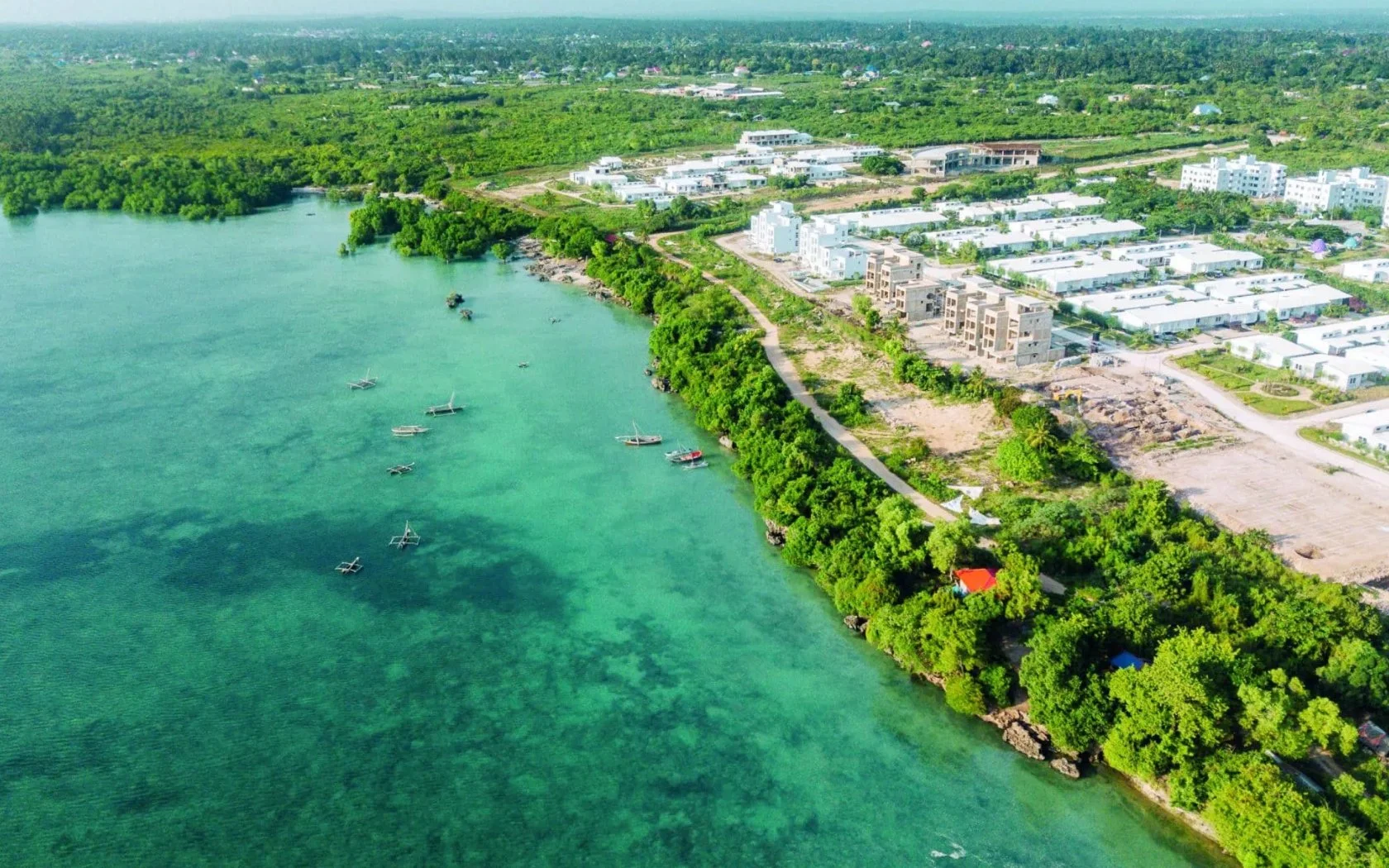
Stay in Fumba Town, Zanzibar, while taking part in practical marine research, ecosystem monitoring and restoration activities. Our accommodation provides a base for exploring the coastal environment, working alongside our field team and experiencing the communities and ecosystems at the heart of Bahari Yetu’s programmes.
COMING IN 2027 — THE SEAGRASS HOUSE
Our planned Seagrass House will offer a distinctive stay within a mangrove restoration park, with custom-designed container accommodation integrated into the coastal landscape. Designed to bring accommodation, marine research and ecosystem restoration together, the project aims to give guests and research participants a closer connection to the mangroves, seagrass meadows and marine life of Zanzibar.
ACCOMMODATION FEATURES
Accommodation in Fumba Town, close to our marine fieldwork locations.
Planned custom-designed container houses within the Seagrass House restoration park.
Direct connection to mangrove and seagrass conservation activities.
Opportunities to engage with field research, monitoring and restoration programmes.
An experience combining coastal living, marine science and community-led conservation.
Our vision: a place where you can stay close to nature, contribute to meaningful marine research and experience the restoration of Zanzibar’s coastal ecosystems firsthand.


Programme fees and pricing
All participants joining Bahari Yetu’s marine conservation programmes in Zanzibar and the wider East African region contribute to practical fieldwork, marine research and ecosystem monitoring. Programme fees vary according to the length of the placement, with reduced weekly rates for longer stays.
PRICING
Programme fees — per person, per week
2 weeks: TSh 1,411,000 per week
3 weeks: TSh 1,333,000 per week
4–7 weeks: TSh 1,255,000 per week
8–11 weeks: TSh 1,176,000 per week
12+ weeks: TSh 1,098,000 per week
Private accommodation surcharges
Private room: TSh 47,000 per night — king-size bed and en-suite bathroom, subject to availability.
Private bungalow or cabin: TSh 78,000 per night — private accommodation with an en-suite bathroom, subject to availability and confirmation.
Budget-friendly container accommodation is also available in Fumba Town, Zanzibar, subject to availability.
WHAT IS INCLUDED
Accommodation according to the agreed placement and booking.
Project-related equipment required for assigned activities.
Fieldwork and practical experience across relevant Bahari Yetu marine conservation projects.
Access to relevant project workspaces and facilities, where available.
Project transport where arranged and confirmed by Bahari Yetu.
Meals, airport transfers, Wi-Fi and diving equipment are included only where specifically confirmed in the individual placement agreement.
WHAT IS NOT INCLUDED
Participants should budget separately for:
International and domestic flights.
Medical and travel insurance.
SCUBA diving insurance.
Diving certification courses and personal diving equipment.
Visa and immigration costs, where applicable.
Personal items and toiletries.
Meals, drinks and groceries not included in the placement agreement.
Personal transport, weekend activities and excursions.
Vaccinations and any required medical consultations.
PAYMENT AND REFUND POLICY
Deposit: A 30% deposit is required to reserve a placement.
Balance: The remaining balance is payable one month before arrival.
Refunds: The deposit is non-refundable. Any refund of the remaining balance is subject to the written booking terms.
Date changes: Requests to change placement dates can be considered subject to availability and the agreed booking terms.
Full payment instructions and cancellation conditions will be provided before a booking is confirmed.
PAYMENT OPTIONS
Payment methods will be confirmed during booking. Available options may include bank transfer and international payment services such as Wise, Revolut or PayPal. Any payment-processing fees will be disclosed before payment.
PLAN YOUR PLACEMENT
Our programmes combine practical marine conservation with field research, technical monitoring and community engagement. Before confirming your placement, we will discuss your interests, intended dates, project activities, accommodation requirements and the total cost.
Contact Bahari Yetu to discuss a placement and identify the most suitable programme for your skills, experience and interests.
Wanna know more?
Talk with our program advisor. Leave your message here and we’ll get back to you soon!
Frequently Asked Questions – Internship & Volunteering in Thailand
-
The minimum duration depends on your chosen track. Volunteering requires a minimum of 2 weeks, internships a minimum of 4 weeks, and apprenticeships a minimum of 8 weeks.
-
No. Our marine programs are open to non-divers as well as certified divers. Non-divers contribute through snorkelling surveys, lab-based data analysis, drone imagery review, and protocol design. Certified participants get access to SCUBA gear during ocean days. If you’d like to get certified during your stay, we can help arrange courses locally with our dive partners.
-
No prior experience is required for volunteering. Full training is provided on arrival — from species identification and survey protocols to equipment use and data recording. For internships and the research apprenticeship, some background in a relevant field (biology, ecology, environmental science, etc.) is prefered but not mandatory if you have strong motivation and relevant skills
-
Many of our interns and apprentices have received academic credit through their home institutions. We are happy to provide the documentation your university requires — including a supervision agreement, internship description, mid-term and final evaluations, and a reference letter. Reach out to discuss your institution’s specific requirements and we’ll work with you to meet them. The organization’s Research Director has active university affiliations and experience supervising students from bachelor to Postdoctoral levels.
-
Our programs run year-round with rolling start dates. Each season has its character: the dry season (roughly December to April) offers ideal conditions for diving, snorkelling, and offshore work, while the wet season (May to November) is excellent for forest and mangrove activities. Seasonal shifts also create unique research opportunities — contact us to discuss which timing best fits your goals.
-
We deliberately keep group sizes small to maintain quality supervision and a genuine community feel. You’ll be working alongside a small cohort of volunteers, interns, and apprentices, as well as our research staff and local partners — not in a large tour group.
-
Absolutely. Several participants join as couples or small groups each year. We offer private room and bungalow cabin upgrades specifically suited to pairs and small groups. Just mention it in your application and we’ll ensure your accommodation is set up accordingly.
-
Academic, research and conservation networks
Bahari Yetu’s programmes are rooted in Zanzibar and designed to connect with the wider marine science and conservation community across East Africa and the Western Indian Ocean. We engage with relevant universities, research institutes, conservation organisations, government bodies and private-sector stakeholders to develop practical research opportunities and strengthen locally led marine conservation.
Our regional research network includes institutions such as the State University of Zanzibar (SUZA), the University of Dar es Salaam’s Institute of Marine Sciences (IMS), the Tanzania Fisheries Research Institute (TAFIRI), Kenya Marine and Fisheries Research Institute (KMFRI), Pwani University and the Technical University of Mombasa. Regional scientific networks such as the Western Indian Ocean Marine Science Association (WIOMSA) provide an important wider context for marine research and collaboration.
We also recognise the contribution of conservation and marine management organisations, including Chumbe Island Coral Park, Wildlife Conservation Society Tanzania, and relevant marine protected area authorities and government departments in Zanzibar and mainland Tanzania. These organisations work across areas relevant to our programme, including coral reef conservation, fisheries management, habitat protection, environmental education and coastal ecosystem monitoring.
Our projects bring together seagrass and mangrove conservation, coral reef monitoring, AI-assisted fish surveys, underwater photogrammetry, sedimentation assessment and community-based marine spatial planning. We aim to give interns and research apprentices opportunities to contribute to practical fieldwork, structured data collection and evidence-led conservation.
Scientific integrity comes first. Research activities are built around repeatable methods, documented observations and data quality assurance. Academic collaboration, specialist input and research supervision are developed according to each project's requirements and the participant's academic objectives.
Bahari Yetu is building relationships across the region to connect scientific research with local ecological knowledge, strengthen regional research capacity and support the long-term stewardship of East Africa's marine ecosystems.
-
The program is conducted in English. No Swahili language skills are required.
-
Yes, accommodation in Fumba Town, Zanzibar, is included in the programme fee, with budget-friendly container accommodation available subject to availability. Programme fees start at TSh 1,411,000 per week for a two-week placement, with reduced weekly rates for longer stays. Alternative accommodation options may be available at an additional cost, subject to availability and confirmation before booking.
-
Volunteering is the most flexible option — you contribute directly to conservation through hands-on activities (minimum 2 weeks). An internship combines fieldwork with a mentored mini-project where you collect data and present findings with guidance from MSc/PhD-level staff (minimum 4 weeks). An apprenticeship is the most advanced track, where you lead your own dedicated research focus area in collaboration with our long-term projects (minimum 8 weeks).